
The Pineapple King
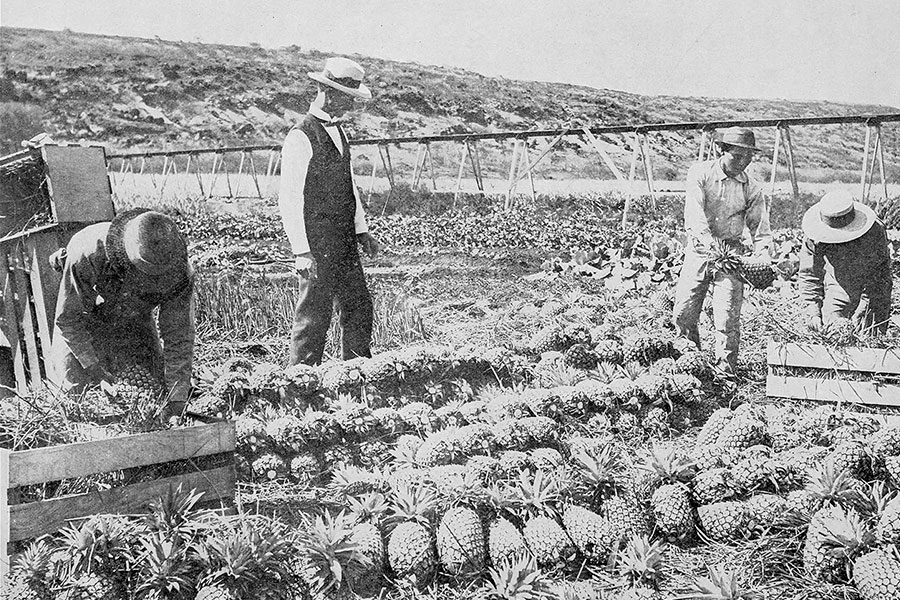
Long before the boutiques, the galleries, and the installations by celebrated architects, this land grew pineapples. This was Buena Vista, a barely-there neighborhood on the edge of Miami, and here Theodore V. Moore farmed the fruit that earned him a nickname: the Pineapple King. But his most lasting mark never came out of the soil. It rose above it.
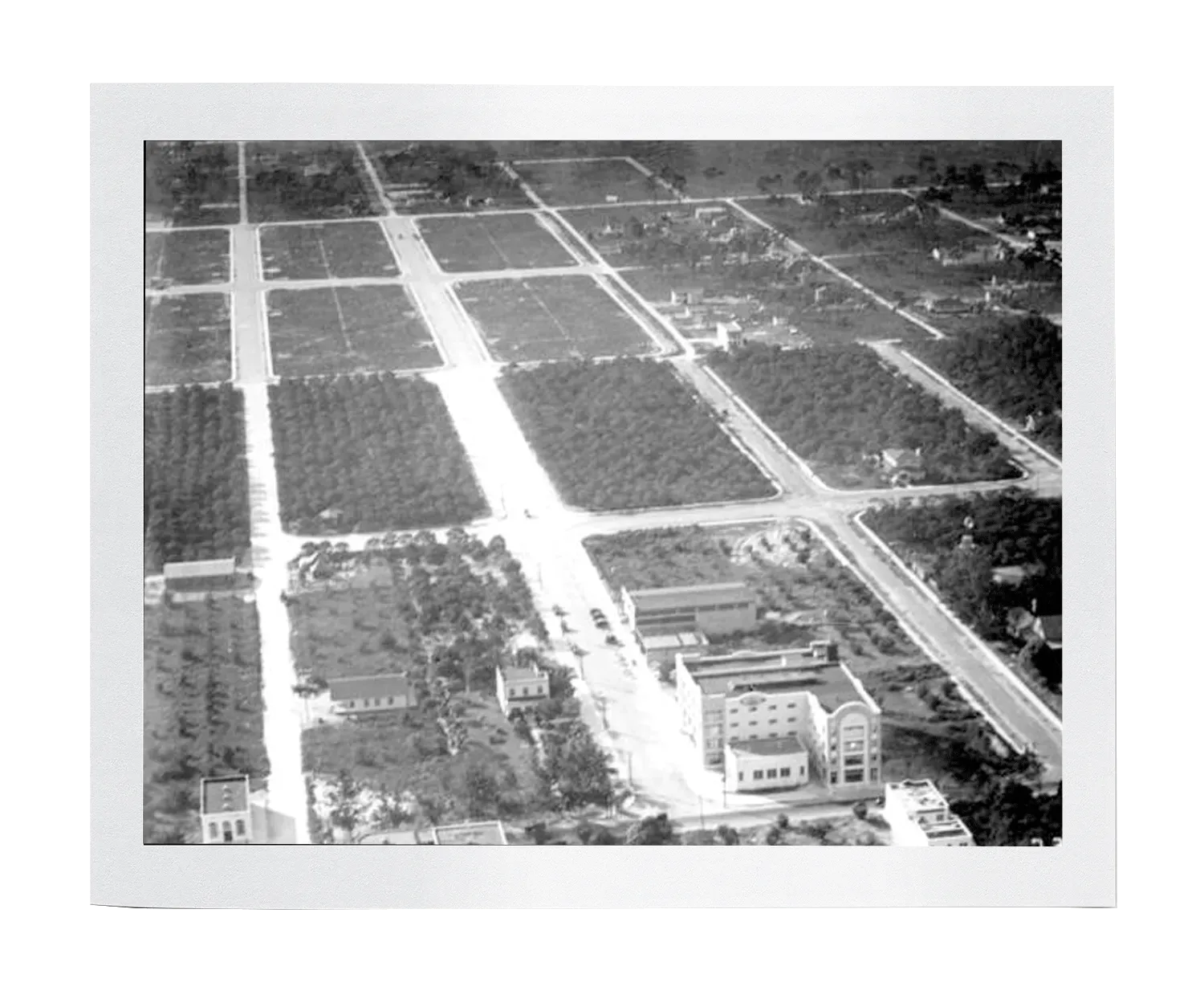
In the 1920s, with Florida deep in a real-estate frenzy, Moore partnered with David P. Davis — a Tampa developer and architect — to build two investment properties in the neighborhood. Each man financed his own; Davis designed both. The one that would carry the Moore name didn’t go up overnight. It grew in stages: the south wing first, in 1922, and the north extension four years later, in 1926. Two phases, four years apart — a building finished without haste, with the solidity of something built to stay.
“A bold, almost prophetic bet on a plot of land that still smelled of farmland.”
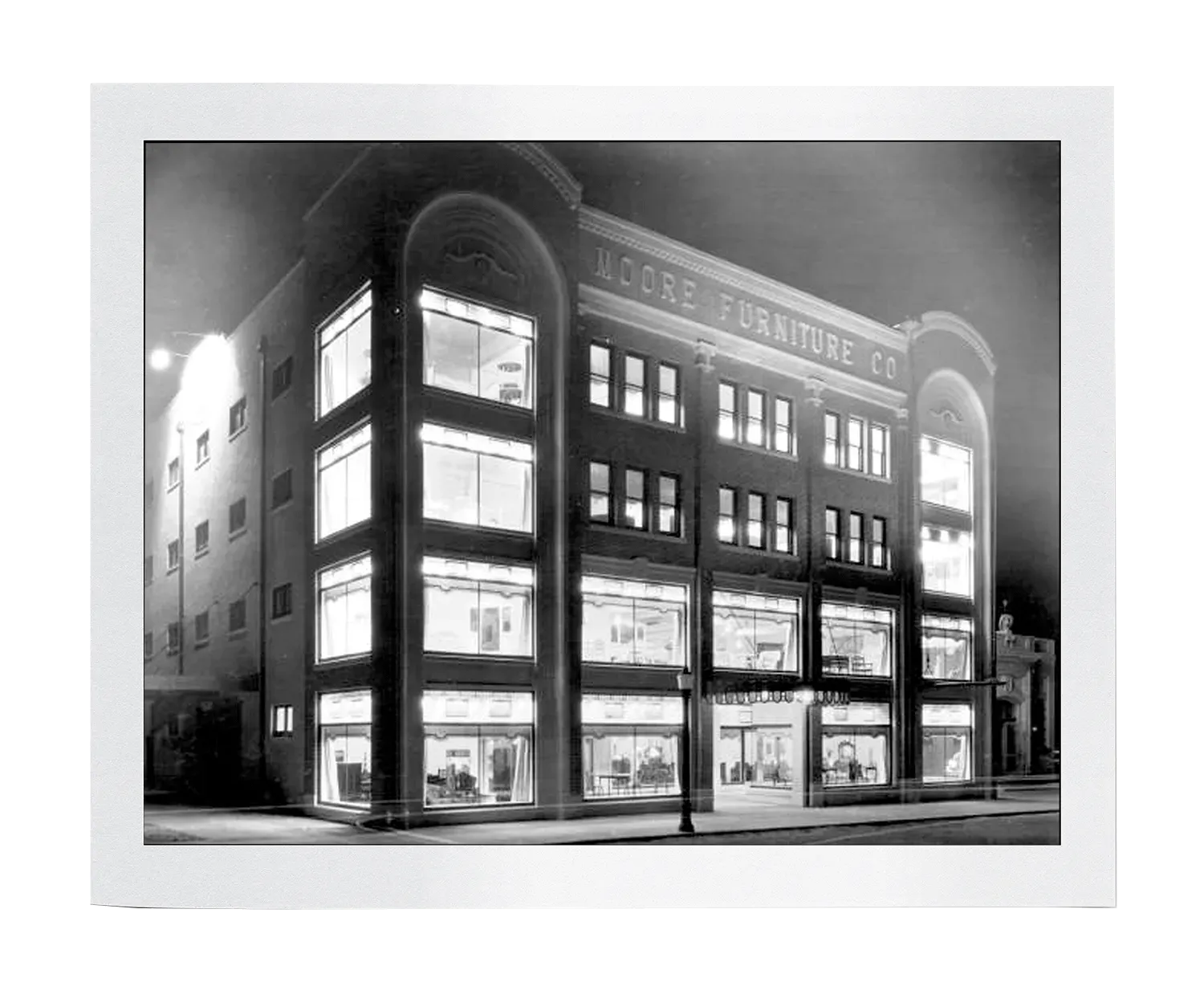
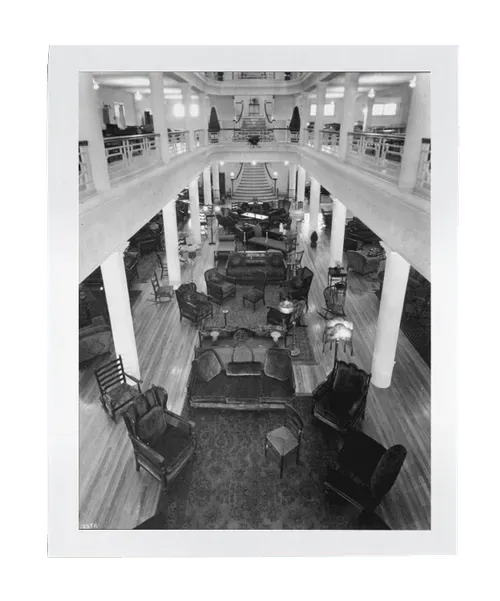
Neoclassical in line and commanding in presence, it opened at the end of that decade as the Moore Furniture Store, the business Moore’s sons set up inside. It was one of the first spaces in Miami devoted entirely to furniture and design: a bold, almost prophetic bet on a plot of land that still smelled of farmland. Ever since, its silhouette has set the rhythm of the neighborhood it helped invent.
Boom, Bust, and the Long Quiet
The decades that followed tested everything the building had promised. The boom that gave it life collapsed almost as quickly as it had arrived: the hurricane of 1926, the crash of 1929, and the Great Depression all left their mark. After World War II, Miami’s glamour shifted toward the hotels and beaches of Miami Beach, while the arrival of Cuban exiles after 1959 reshaped the city’s identity. Buena Vista, annexed by Miami in 1925, faded into the background.
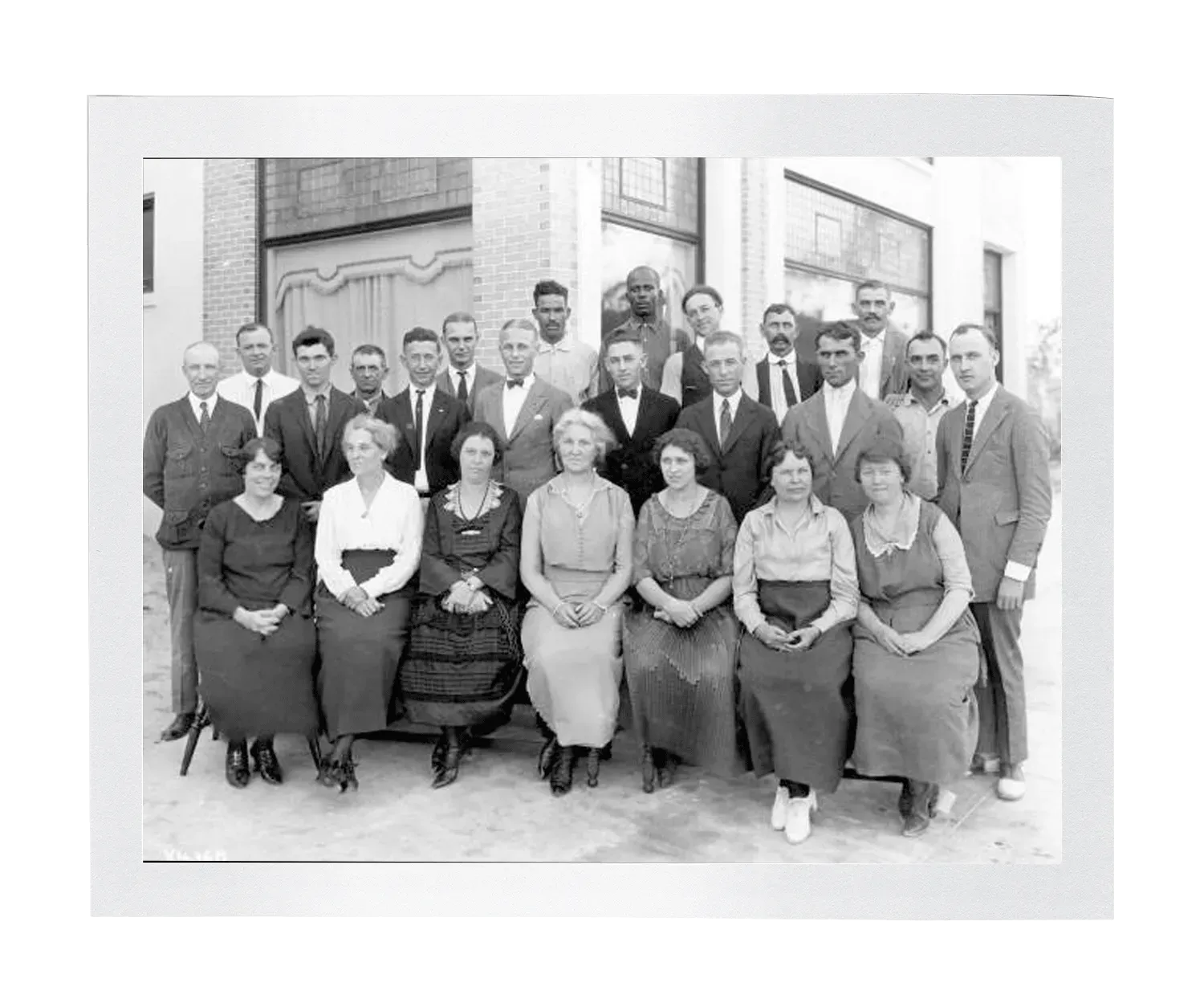
By the late twentieth century, the area had become a wholesale and industrial district of trade-only showrooms, warehouses, and quiet neglect. But The Moore held on. While the neighborhood around it changed, emptied, and waited, the building remained tied to furniture, design, and the original purpose it was born to serve.
Enter Craig Robins
The turn came with Craig Robins. He founded the development firm Dacra in 1987 and made his name saving South Beach’s Art Deco buildings from demolition through the 1980s and 1990s. In the late nineties he crossed the bay and fixed his eyes on this forgotten neighborhood; around the year 2000 he set out to turn it into what is now the Miami Design District. His bet left no room for half measures: put art, design, and culture to work moving an entire neighborhood.
For the building, everything changed in 2005. Robins chose the Moore as the home of the first Design Miami/, the collectible design fair he co-founded that year, twinned with Art Basel.
Reborn as a cultural venue, the old furniture warehouse filled with collectors, designers, and curators from around the world. And that same year, it received the gesture that would mark it forever.
Elastika by Zaha Hadid
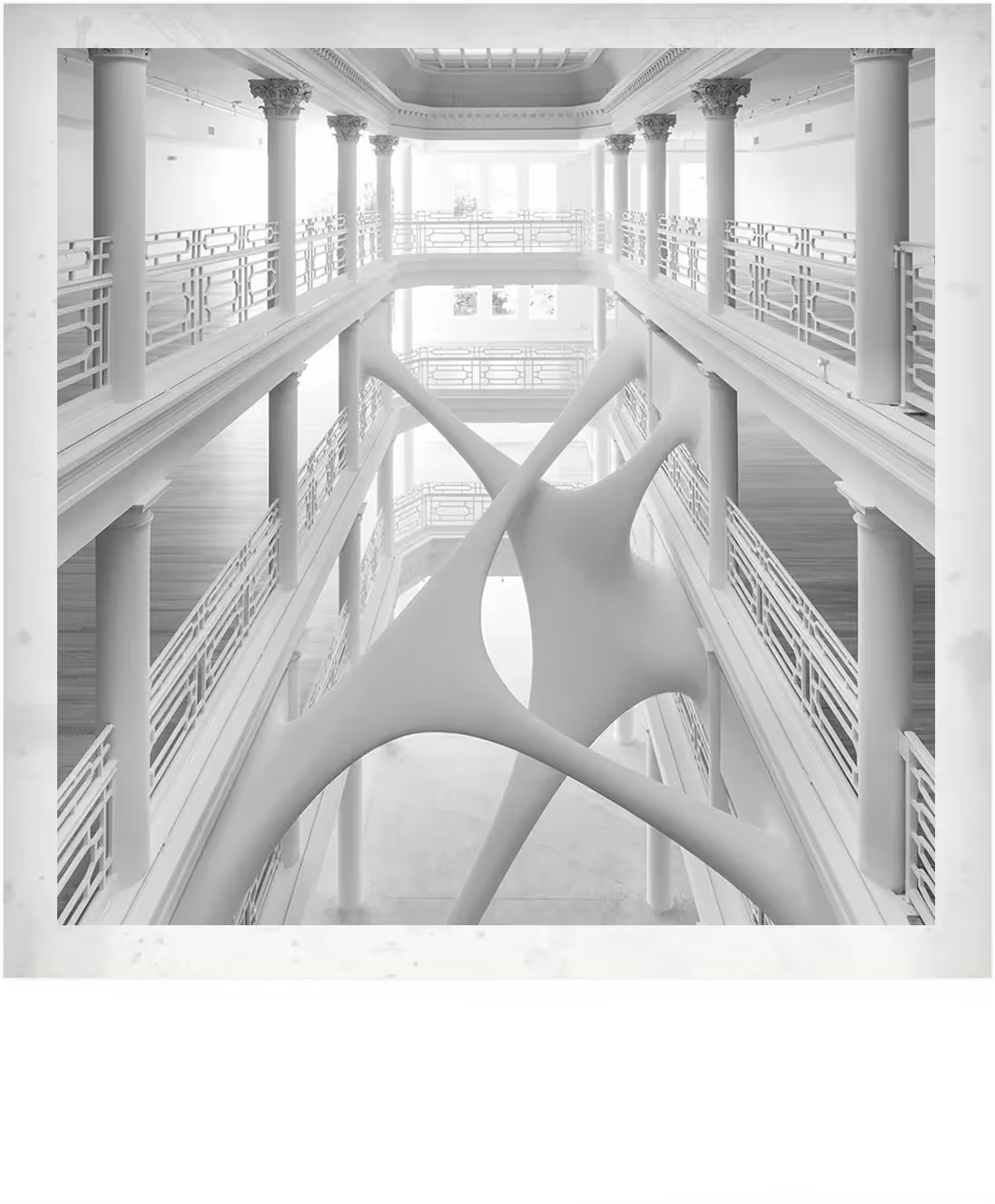
That gesture was Elastika, and the hand behind it belonged to one of the most singular figures in modern architecture. Zaha Hadid — Iraqi-born, London-trained — had become, just a year earlier, the first woman ever to win the Pritzker Prize, architecture’s highest honor. The “Queen of the Curve” bent steel and concrete into motion wherever she worked, from the Heydar Aliyev Center in Baku to Rome’s MAXXI museum to the London Aquatics Centre built for the 2012 Olympics — defying every right angle the profession held sacred.
“In a building defined by calm, classical geometry, Elastika was pure movement — a provocation suspended in mid-air.”
For The Moore she conceived something built to its exact measure. As the fair’s first Designer of the Year, she filled the building’s core with a permanent work of white, cartilaginous forms that stretch between the balconies across the four-story atrium, hanging over the central void. In a building defined by calm, classical geometry, Elastika was pure movement — a provocation suspended in mid-air.
And there’s a quieter coda. Hadid fell for Miami, kept an apartment on South Beach, and came to call the city a second home. It was here, in 2016 — eleven years after Elastika first stretched across the atrium — that she died suddenly, at 65. Her sculpture remains exactly where she left it: still the beating heart of the building she chose to mark.
A New Century, New Stewards
Two decades after Elastika first drew the world’s collectors into its atrium, the building was ready to be reimagined again. WoodHouse — the Texas-based hospitality group founded by Brady Wood — stepped in as its new steward and led a full restoration. In 2024, it reopened as The Moore: a cultural house inside one of the Design District’s most storied structures.
Across nearly 90,000 square feet, it now brings together a private members club, a Michelin Key boutique hotel, workspaces, and exhibition spaces across four floors — with Hadid’s sculpture still presiding over the atrium. The interiors, by ICRAVE and Studio Collective, did not bury the building’s history; they placed it in conversation with the present, preserving the sculpture, the atrium light, and the subtle echoes of its pineapple-farm past.
The ground floor — the building’s public face — carries that story into the present. In late 2025, Torno Subito opened beneath Hadid’s suspended forms, bringing Massimo Bottura’s only U.S. restaurant into The Moore. His playful take on Italian cooking now meets Miami’s color, rhythm, and appetite for spectacle — another layer in a building built on reinvention.
“The building that was born to show what was coming is still, true to its nature, doing exactly that.”
The Next Chapter
A century after its first stone, The Moore remains an anchor for cultural shifts. As Front Row steps into this hundred-year story, it brings a sharp, contemporary lens to a heritage built on bold bets. What once showcased the modern vanguard now frames a new generation of ideas and cultural dialogue. The building that was born to show what was coming is still, true to its nature, doing exactly that.